Project Summary
Circumpolar Navigator is a digital humanities initiative dedicated to reuniting Arctic and sub-Arctic historical materials that have been scattered across libraries, museums, and archives around the world. Partnering with institutions such as the John Carter Brown Library and the American Polar Society, the project gives researchers a single point of access to historical, scientific, and cultural records — from ship logs to missionary papers to indigenous heritage materials — that would otherwise remain siloed and difficult to discover. As a newly formed organization, Circumpolar Navigator needed both a visual identity that could carry that mission and a website capable of organizing an unusually complex body of interrelated research data.
My Role
I served as brand and digital design lead for the project, responsible for establishing Circumpolar Navigator's visual identity from the ground up and translating it into a functional, scalable WordPress platform for presenting archival collections.


Design & Development Highlights
Because Circumpolar Navigator was a brand-new organization, the identity work started with first principles: a color palette, typography, and logo mark that needed to feel credible to researchers and institutional partners while evoking the Arctic subject matter without leaning on cliché. The puffin-and-polar-map mark that resulted gives the organization a distinct, memorable presence — important for a project whose long-term success depends on being recognized and trusted by the academic and archival communities it serves.
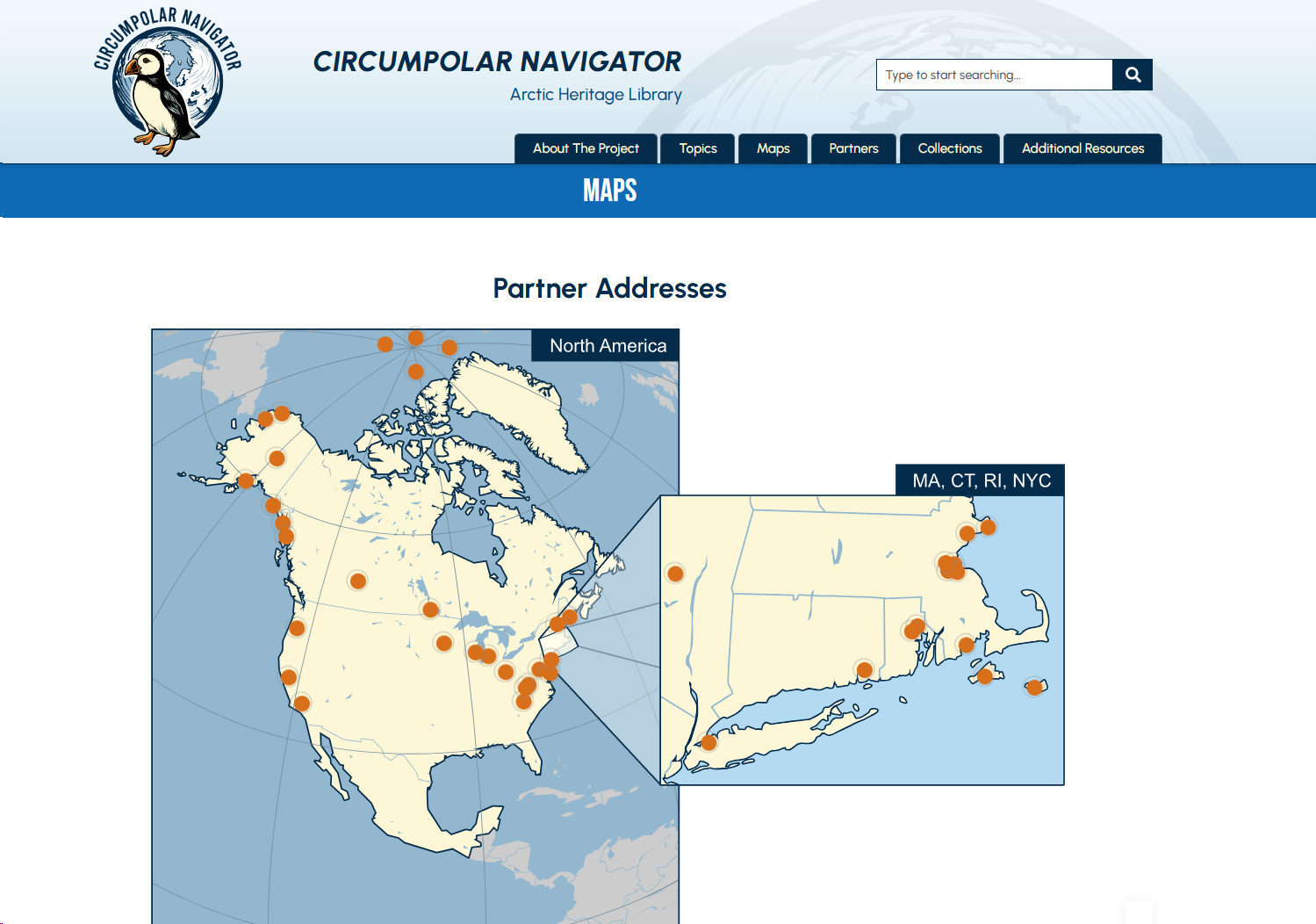
That same attention to visual consistency carried into the site's supporting graphics. Historical and reference maps used throughout the archive were recolored and retypeset to match the new brand system, so that materials sourced from many different institutions would read as part of one cohesive, purpose-built resource rather than a patchwork of borrowed assets.
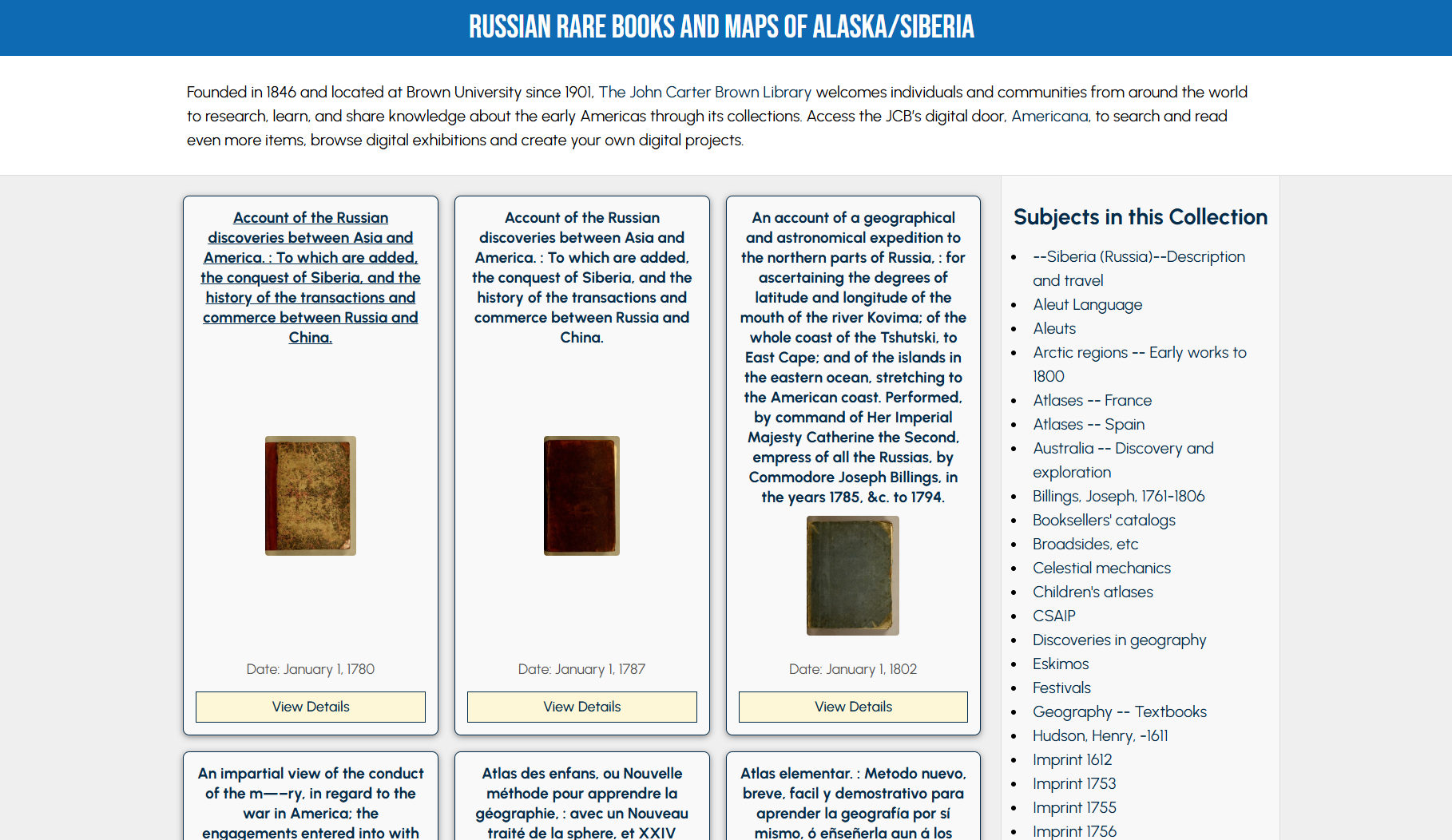
The larger design challenge was structural. Circumpolar Navigator's core content — thousands of individual archival items, organized by subject, region, and originating collection — needed an information architecture that could scale and stay navigable as the archive grows. I built a set of custom post types and templates to model these relationships, giving researchers intuitive ways to browse by geography or topic while surfacing connections between items across different source collections. To extend the archive's reach beyond what could be hosted directly, I also integrated the site with the Internet Archive via custom plugin development, allowing external Archive.org holdings to appear alongside the organization's own collections as part of one unified research experience. The result is a site that functions less like a conventional organizational website and more like a purpose-built research tool.